

Introduction
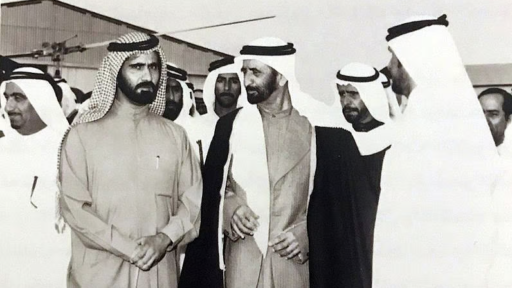
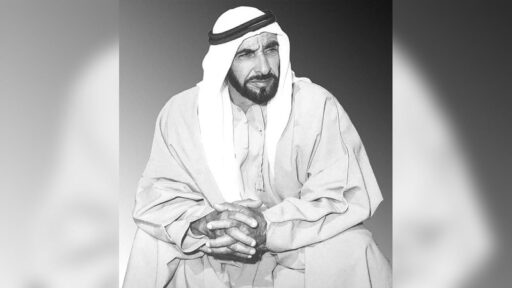
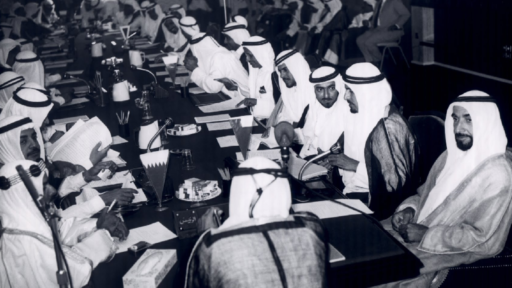
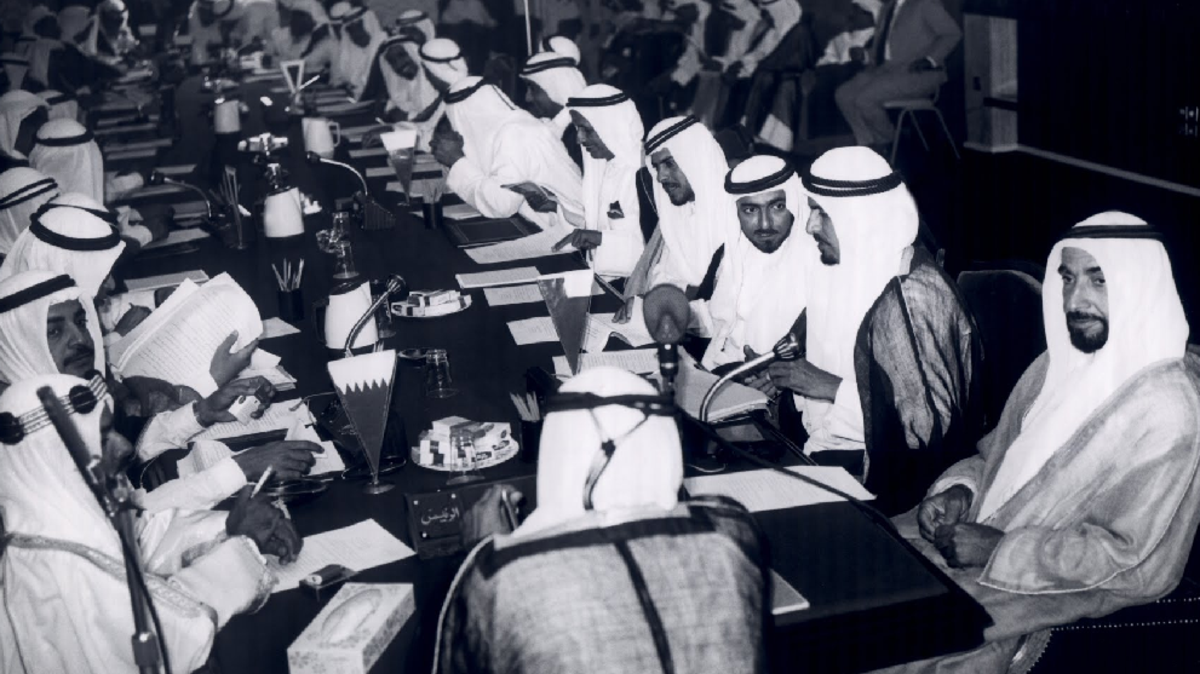
The formation of the United Arab Emirates on December 2, 1971, was a political miracle, the culmination of years of complex negotiation, delicate diplomacy, and a shared leap of faith. This historic achievement was not the work of one or two men, but of a collective of visionary rulers, each the leader of his own emirate, who chose unity over division and collective strength over individual sovereignty. These men, the Founding Fathers of the UAE, put aside historical rivalries and personal interests to sign the provisional constitution and create a new federal nation. Their collective portrait reveals the diverse personalities and shared conviction that brought the UAE into being.
The Signatories: A Council of Visionaries
On that historic day, six rulers signed the agreement to form the UAE (Ras Al Khaimah joined two months later, in February 1972). The signatories were:
- Sheikh Zayed bin Sultan Al Nahyan (Abu Dhabi)
- Sheikh Rashid bin Saeed Al Maktoum (Dubai)
- Sheikh Sultan bin Muhammad Al Qasimi (Sharjah)
- Sheikh Rashid bin Humaid Al Nuaimi (Ajman)
- Sheikh Ahmed bin Rashid Al Mualla (Umm Al Quwain)
- Sheikh Muhammad bin Hamad Al Sharqi (Fujairah)
This council represented a blend of large, resource-rich emirates and smaller, more modest ones, making the act of union all the more remarkable.
The Challenges of Federation: Oil, Borders, and Sovereignty
The path to union was fraught with obstacles. A primary concern was the disparity in oil wealth. Abu Dhabi, with its vast reserves, was expected to be the financial engine, while the other emirates feared being subsumed or dominated. Border disputes, some of which had led to armed conflict in the past, were a sensitive issue. Furthermore, each ruler was being asked to cede a degree of their hard-won sovereignty to a new, untested federal government. The British withdrawal from the region in 1971 added a layer of urgency, creating a potential power vacuum that larger neighboring powers might seek to fill. The decision to federate was, therefore, a strategic necessity as much as an idealistic one.
The Role of Sheikh Zayed and Sheikh Rashid: The Twin Pillars
While all rulers were essential, the partnership between Sheikh Zayed of Abu Dhabi and Sheikh Rashid of Dubai was the critical linchpin. Without the participation of the two most powerful emirates, a federation would have been impossible. Sheikh Zayed, with his boundless generosity and unifying vision, assured the smaller emirates that Abu Dhabi’s wealth would be shared for the common good. Sheikh Rashid, the pragmatic businessman, recognized the economic and security benefits of a larger bloc and lent his considerable influence to the cause. Their ability to find common ground and present a united front was the decisive factor in convincing the others to join.
The Spirit of Compromise and the Federal Structure
The constitution they signed was a masterpiece of compromise. It created a balance of power between the federal government and the individual emirates. Critical areas like defense, foreign policy, immigration, and currency were federalized. However, the emirates retained significant autonomy over their own natural resources, internal security, and local legislation. This hybrid model allowed for a strong central state while respecting the unique identity and ruling families of each emirate. The Supreme Council of Rulers, comprising the seven emirate leaders, was established as the highest federal authority, ensuring that every ruler had a direct voice in the nation’s future.
Conclusion: A Legacy of Unity
The signing of the union in 1971 was a moment of extraordinary political courage. The Founding Fathers looked beyond the parochial interests of the past to envision a shared future. They understood that together, they could build a nation capable of providing security, prosperity, and a respected voice on the world stage—things that would have been far more difficult, if not impossible, to achieve alone. Their legacy is the stable, prosperous, and unified UAE that exists today. The annual celebration of Union Day is not just a national holiday; it is a renewal of the covenant these seven men made, a reminder that the nation’s greatest strength has always been, and will always be, its unity.