

Introduction
The story of the United Arab Emirates is inextricably linked to the vision, wisdom, and profound humanity of one man: Sheikh Zayed bin Sultan Al Nahyan. Revered as the “Father of the Nation,” his leadership was the catalyst that transformed a collection of disparate Trucial States into a unified, prosperous, and globally respected federation. His legacy, however, extends far beyond the political act of union. It is etched into the very landscape of the nation, woven into the fabric of its society, and embodied in the values of tolerance, sustainability, and ambitious foresight that continue to guide the UAE today. To understand Sheikh Zayed is to understand the soul of the modern UAE.
From Ruler of Al Ain to Architect of a Nation
Sheikh Zayed’s political acumen was honed long before the discovery of oil. As the Ruler’s Representative in the Al Ain region (eastern Abu Dhabi) from 1946 to 1966, he earned a reputation as a wise and just arbitrator among the Bedouin tribes. It was in the desert that he developed his core governing philosophy: that leadership requires listening. His majlis was open to all, and he was known for his deep understanding of the people’s needs, from water scarcity to tribal disputes. This period was his proving ground, where he cultivated the consensus-building skills and deep connection to the land that would later enable him to persuade his fellow rulers to join a historic union.
The Master Diplomat: Forging the Union of 1971
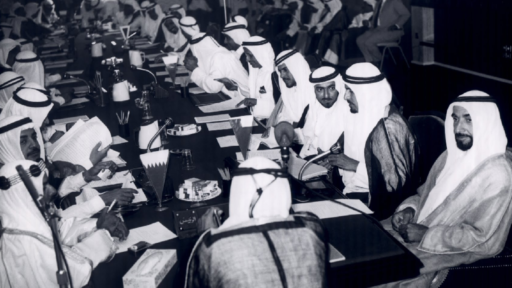
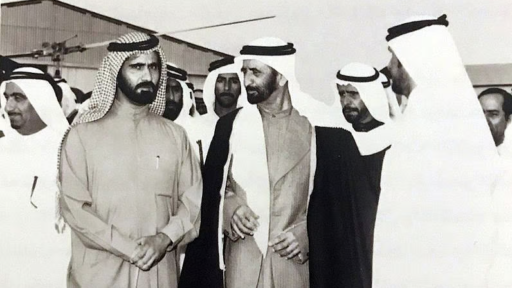
Sheikh Zayed’s most monumental achievement was the federation of the seven emirates. This was no foregone conclusion. Rivalries, border disputes, and differing economic prospects (especially between oil-rich Abu Dhabi and its neighbors) posed significant obstacles. With immense patience and diplomatic skill, Sheikh Zayed, alongside Sheikh Rashid bin Saeed Al Maktoum of Dubai, navigated these complex negotiations. He famously advocated for a collective approach, stating, “We are all one family… Wealth is of no value if it is not used for the benefit of the people.” His commitment to sharing Abu Dhabi’s oil wealth for the collective good of all emirates was the crucial factor that secured the Union. On December 2, 1971, his dream was realized, and he was unanimously elected as the first President of the UAE.
A Leader in Touch with the People: The Philosophy of Accessible Governance
Despite the trappings of modern statehood, Sheikh Zayed never lost the common touch. He remained a man of the people, continuing the Bedouin tradition of the open majlis. He was often seen in the desert, conversing with camel herders, or in the streets, listening to the concerns of ordinary citizens. His leadership style was paternalistic yet progressive. He believed that the nation’s oil wealth was a national trust to be invested in its people. This philosophy fueled an unprecedented building spree: schools, hospitals, housing, and roads sprang up across the country, lifting the population from poverty to modernity within a single generation. He didn’t just build infrastructure; he built a welfare state with a human face.
A Visionary for People and Planet
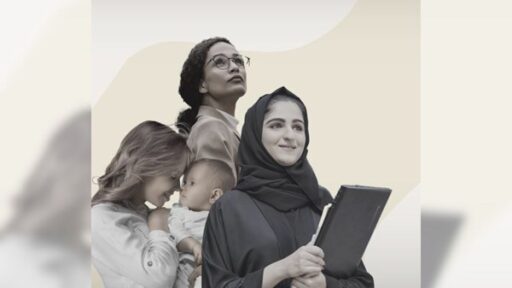
Sheikh Zayed’s vision was remarkably forward-thinking. Long before “sustainability” became a global buzzword, he was a passionate environmentalist. He launched massive afforestation campaigns, turning swathes of desert green, and established protected areas for endangered species like the Arabian oryx, which he successfully brought back from the brink of extinction. His commitment to women was equally progressive. He actively encouraged female education and participation in public life, famously stating, “The woman is half of the society; any country which pursues development should not leave her in poverty or illiteracy.” His legacy of tolerance was also foundational, welcoming people of all faiths and nationalities to contribute to the nation’s growth.
Conclusion: The Eternal Symbol of the UAE
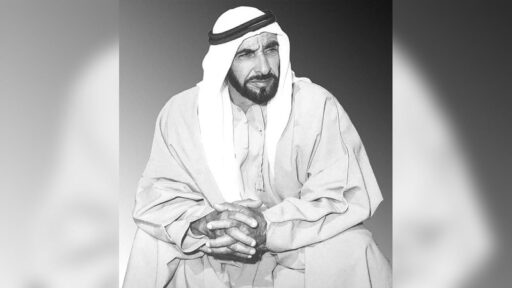
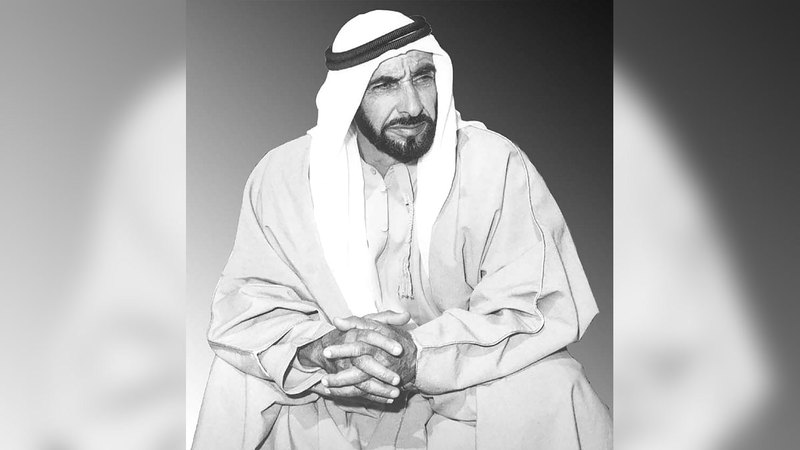
Sheikh Zayed passed away in 2004, but his presence remains palpable. His portrait hangs in every government office, home, and public space, a constant reminder of the nation’s founding covenant. His legacy is not a static monument but a living, breathing force. It is present in the UAE’s ambitious space program, a continuation of his wonder at the stars; in its humanitarian aid across the globe, an extension of his boundless generosity; and in the stability and unity of the federation itself, his greatest gift to his people. Sheikh Zayed was more than a ruler; he was the architect of a nation’s soul, and his enduring legacy is the modern, confident, and compassionate United Arab Emirates.